From ghost to verified.
Every person and entity completes KYC/KYB verification before engaging any verification chain.
Every data point recorded where it originates, with no secondary reporting.
The professionals already engaged on the asset attest what they find, in their own names. No single attestor decides the result. AI may assist; it may not attest.
Cryptographically timestamped and archive-resident. Architecturally difficult to alter at origin or after the fact.
Asset owners own the asset's value and permission access. They decide who sees the record and on what terms.
Verified data builds the KiVerified Multiplier™.
Pay on evidence, not on a claim.
Somebody says it is done. You cannot see it. The people who can see it are the people being paid. By the time you could check, the money has gone.
Verification puts named professionals already on the asset on the record, attesting what they found when they found it, with no one attestation deciding the outcome. You are notified that it was verified rather than told it was complete.
Fraud works where nobody outside the transaction can check the record. This is that record.
The call is still yours. The guessing is not.
Verified people verifying real things.
KiVerify’s verification architecture is built around Ecosystem Users: a network of KYC and KYB verified participants bound by ecosystem agreements before they can engage any verification chain. This is the structural mechanism that makes every attestation independently credible.
Physical Verification Users
Qualified parties who physically inspect and attest to asset condition, construction quality, infrastructure performance, component authenticity, cargo integrity, or product provenance.
Transactional Verification Users
Verified parties who attest to lease validity, income verification, encumbrance status, title integrity, trade documentation, or certification authenticity.
Compliance & Insurability Users
Verified parties attesting to regulatory compliance, ESG certifications, DPP data integrity, and insurance-relevant facts.
The Ecosystem User Model is the digital-native equivalent of the professional standard institutional capital already requires, extended across the full chain of facts, in any industry.
General-purpose AI models hallucinated on 58 to 88 percent of legal queries when tested on 2023 model generations¹. In high-stakes due diligence, a difference of only 0.5 percent can amount to millions of dollars². More than half of organizations using AI have already had at least one material negative consequence from it³. More than 1,400 court cases have involved AI-generated content submitted as fact⁴. AI validates form. It cannot validate fact. A machine vision model can classify a building image as "80% structurally complete." It cannot confirm the image was taken at the claimed location, on the claimed date, of the claimed structure. These are not edge cases; they are routine features of the environments in which asset verification operates.
1 Stanford RegLab, 2024. 2 Deloitte, 2025. 3 McKinsey, 2025. 4 Charlotin, AI Hallucination Cases Database, May 2026.
All of these data points were taken from reliable sources. You can read everything here.
How it works
KiVerify captures everything as it happens, verifies it independently, and locks it in a tamper-resistant record, delivering assets ready for any use. Not software. Not a tool. Infrastructure: an independent verification layer that transforms how complex business data is captured and recorded, verified, and settled across every stakeholder in a project, asset, or transaction.
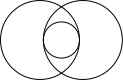


What is captured
Verify
Independent verification of what actually happened, not what someone says happened.
Archive
A tamper-resistant, tamper-evident record. It transfers with the asset.
Control
Owners hold the record and control it. They decide who sees it and on what terms.